


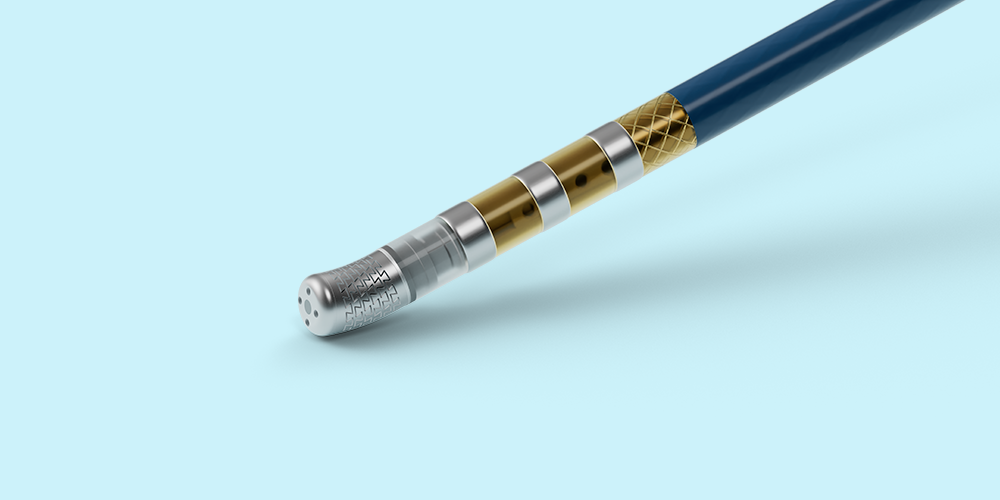
TactiFlex™ Duo Ablation Catheter, Sensor Enabled™
Intentionally built to provide the versatility, precision, and freedom necessary to confidently tailor therapy,1 switch seamlessly between PF and RF energy,1,2 and achieve consistent, predictable lesions3 – every time.
1.7%
Primary safety
event rate4
0
Deaths, esophageal lesions, phrenic injury,
or pulmonary vein
stenosis reported4
92.6%
Freedom from
documented
AF/AFL/AT with standard of care monitoring4
91.7%
Freedom from
repeat ablation4*
Predictability drives confidence
Reproducible durable lesion formation3,5,7,13 supports the efficiency you need.
Achieve fast, transmural lesions, in a single application with reliable depth > 5 mm7,13
1x applications7
%20.png)
Transcend limitations in challenging anatomies* with precise depth and width achieved with PFA controlled lesion stacking13
4x applications13
.png)
Applications in porcine ventricular tissue; confirmed via TTC stain. (n=2 animals for PF 1 x Application, n=3 animals for PF 4 x Application)
2x
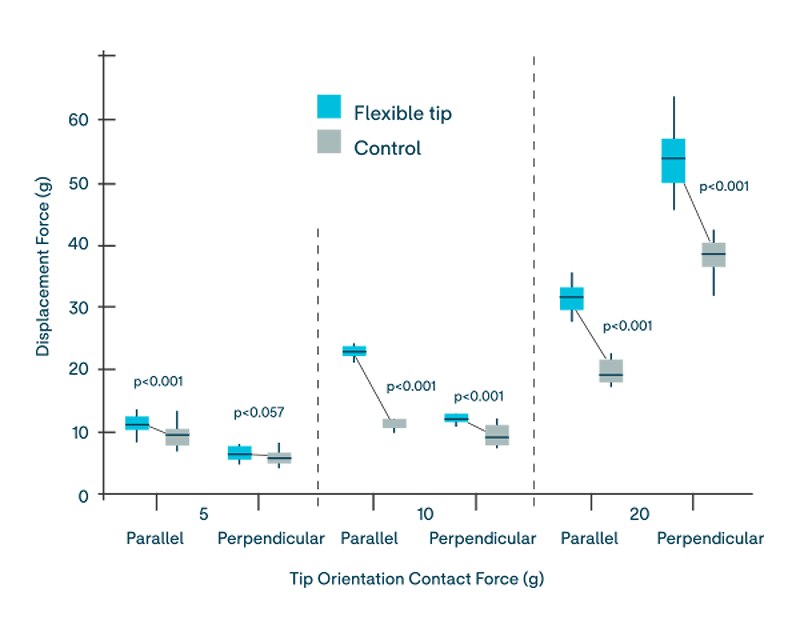
more stable8,9**
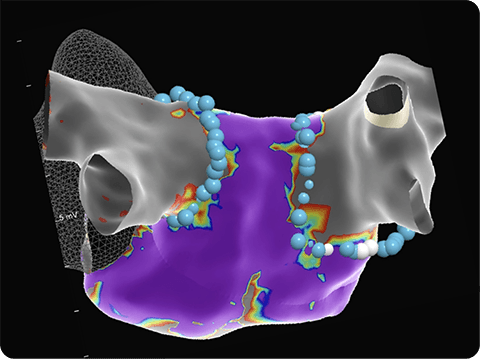
PFA Index (PI) workflow uses real-time tissue response to guide lesion formation and incorporates PI workflow consistency, providing actionable insights to inform ablation procedures based on lesion formation factors.3
Predictive Accuracy: PFA Index (PI)4
Retrospective review of a subset of FlexPulse IDE trial patients demonstrated
84.6%
Freedom from AF/AT/AFL
at 12 months (strict monitoring)
In procedures with
80% of lesions with PI value ≥ 30
90% of lesions with Automark Distance ≤ 6 mm
Built to switch
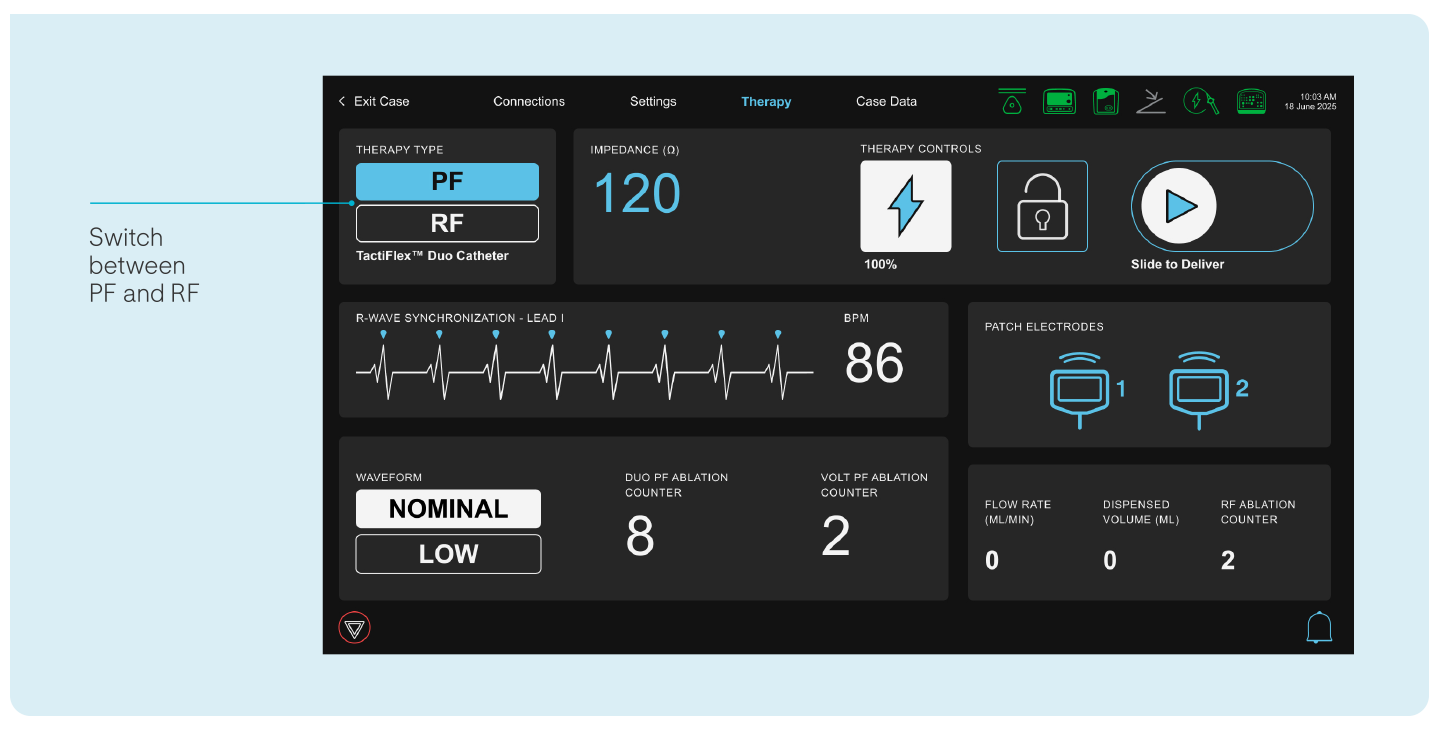
Break free from one-size-fits-all solutions to tailored energy delivery that adapts to every patient, every procedure, every anatomy1,6,12
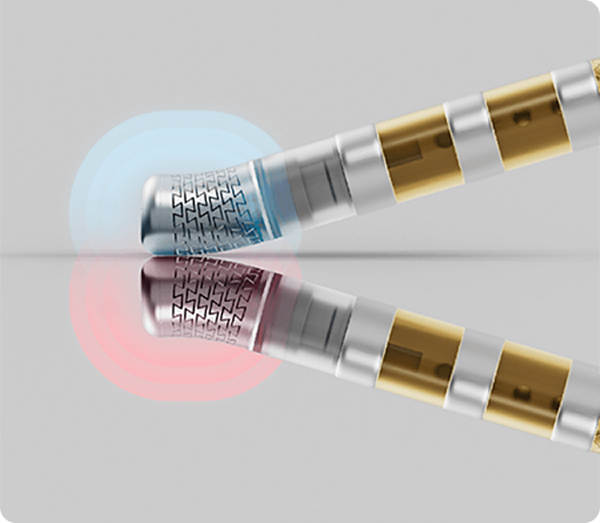
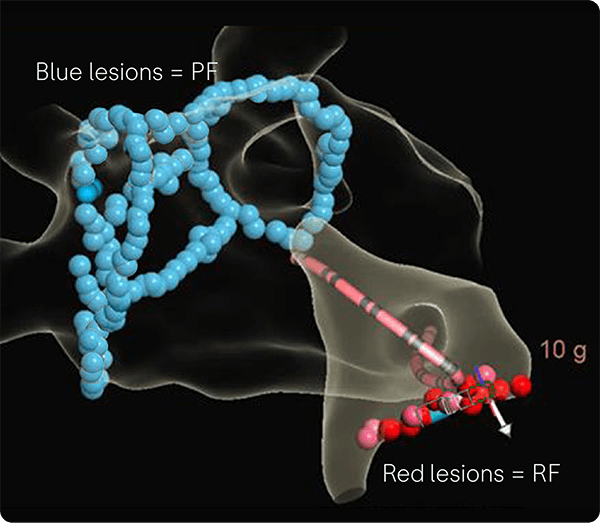
Feel the freedom of choosing the right energy for the right tissue with the ability to seamlessly switch between PF and RF1
Optimize patient safety and clinical workflow through sedation-flexible waveforms, astutely engineered to minimize nerve and muscle stimulation - with or without general anesthesia10,11
34.7%
used conscious sedation or deep sedation vs. general anesthesia10
144 patients in 21 centers in Australia and Europe
CS/DS workflows, compared to GA showed
 7%
7%
lower procedure time (8.5 min)12
0%
no difference in proportion of cases with none or clinically acceptable skeletal muscle recruitment12
*Freedom from documented AF/AFL/AT recurrence detected by standard of care TTMs, 12-lead ECGs, and Holter monitors.
** Compared to standard solid-tip ablation catheters.
References:
- Sanders, P. et al. (2025, November 13). Beyond Pulmonary Veins: Ablation Trends and Targets with a Novel Flexible-Tip Dual-Energy PF/RF Ablation Catheter [Oral presentation]. Presented by Prash Sanders. Asia Pacific Heart Rhythm Society (APHRS) 2025, Yokohama, Japan.
- Data on file 91062308.
- Friedman, et al. (2025 September) Development of a PFA index to guide energy delivery with a force sensing flexible, irrigated tip catheter [Oral presentation]. ESC 2025, Madrid, Spain.
- Hussein, A., Rackauskas, G.,Sundaram, S., et al. (2026). Safety and effectiveness of a novel dual-energy radiofrequency/pulsed field ablation catheter: 12-month results of the FlexPulse Study. Europace. Advance online publication. https://doi.org/[DOI]
- Koruth J, et al. Acute and chronic pulmonary vein isolation durability and safety assessments of a focal dual-energy, flexible 4mm contact-sensing tip [Poster presentation]. Heart Rhythm Society 2025, San Diego, CA.
- Data on file 91060208
- Mittal et al. Lesion Depth Saturation for Sequential RF and PFA Therapy Using a Dual-Modality Focal Catheter in a Porcine Model for Atrial Application. AF Symposium 2026 Abstract.
- Nair D et al. Catheter Stability Analysis in Ablation of Paroxysmal Atrial Fibrillation: Impact of a Novel Flexible Electrode Tip. HRS Poster 2023.
- Ambrosius N, et al. Flexible, Kerfed Ablation Catheter Tip Provides Superior Stability in a Bench Model APHRS 2018: Abstract Book; 2018, October 17-18; Taipei, Taiwan. Abstract nr 1170.
- Silberbauer J, et al. (2025, April 25) Initial Clinical Experience with the TactiFlex DUO System: Safety and Acute Results of the FOCALFLEX Study [Oral presentation]. Presented by Daniel Scherr. Heart Rhythm Society 2025, San Diego, CA.
- Lo M, et al. (2025, April 25) Acute Results of the FlexPulse IDE Trial [Poster presentation]. Heart Rhythm Society 2025, San Diego, CA.
- Scherr, D. et al. (2025, November). General anesthesia vs. Deep sedation and Conscious Sedation in Subjects Undergoing Pulmonary Vein Isolation with a Novel Flexible-Tip Dual-Energy PF/RF Ablation Catheter [Oral Presentation]. Presented by Daniel Scherr. Asia Pacific Heart Rhythm Society (APHRS) 2025, Yokohama, Japan.
- Koruth, J. S., Killu, A. M., Mittal, L., Loughlin, H., Pipenhagen, C., Fish, J., et al. (2026). PO-FPI-315: Optimizing pulsed field ablation for ventricular tachycardia: Preliminary results using a focal sensor enabled force sensing catheter designed for the EnSite X mapping system [Conference abstract]. Heart Rhythm, 23.
MAT-2675121 v3.0
Rx Only. Brief Summary: Prior to using these devices, please review the Instructions for Use for a complete listing of indications, contraindications, warnings, precautions, potential adverse events, and directions for use.
United States: Required Safety Information
Indication: TactiFlex™ Duo Ablation Catheter, Sensor Enabled™ is indicated for use in cardiac electrophysiological mapping and ablation for the treatment of drug-refractory recurrent symptomatic paroxysmal atrial fibrillation and concomitant atrial flutter, when used in conjunction with a compatible radiofrequency (RF) or pulsed field (PF) generator and three-dimensional mapping system. Contraindications: Do not use in patients with active systemic infection, intracardiac thrombus or myxoma, prosthetic heart valves, recent ventriculotomy or atriotomy (<4 weeks), inability to receive adequate anticoagulation, or in patients for whom the specified transseptal or retrograde approaches are contraindicated. Use in the coronary vasculature is contraindicated. Warnings: Application of RF energy on the left atrial posterior wall exceeding 40 W in power, or use of contact force ≥15 g, increases the risk of esophageal perforating complications including atrio-esophageal fistula and death. Application of RF energy outside of the power and duration recommendations may increase the likelihood of steam pop occurrence. The combination of intracoronary placement of the ablation catheter and RF energy application has been associated with myocardial infarction and death. Contact force accuracy above 50 g has not been established. Increased contact force may increase the risk for perforation during manipulation of the catheter. Cases of delayed onset of atrio‑esophageal fistula (AEF) have been reported in association with radiofrequency catheter ablation procedures. While rare, AEF is associated with significant morbidity and mortality. A high index of suspicion for AEF should be maintained in patients who present with symptoms including but not limited to fever, neurological deficits, hematemesis, septic shock, and dysphagia in the several weeks after a left atrial ablation procedure. Inspect tubing, connections, and saline irrigation for air bubbles prior to and throughout its use in the procedure. Air or bubbles in the saline irrigation may cause emboli, potential injury, or fatality. To avoid thromboemboli, intravenous heparin should be used when entering the left heart during ablation. Patients undergoing septal accessory pathway ablation are at risk for complete AV block which requires the implantation of a permanent pacemaker. Permanent pacing may be required in patients who experience inadvertent complete AV block as a result of RF ablation. Implantable pacemakers and implantable cardioverter/defibrillator (ICDs) may be adversely affected by RF or PFA current. It is important to: have temporary external sources of pacing and defibrillation available during ablation, temporarily reprogram the pacing system to minimum output to minimize risk of inappropriate pacing, exercise extreme caution during ablation when in close proximity to atrial or ventricular permanent leads, program the ICD to the OFF mode during the ablation procedure, perform complete implantable device analysis on all patients after ablation. Take precautions to avoid injuring the phrenic nerve, including pacing to identify the proximity of the nerve, and, when using RF, appropriately reducing power. Caution should be taken when placing lesions in the proximity of the specialized conduction system. Collateral anatomical structures need to be considered (e.g. phrenic nerve, coronary arteries and native conduction system) while manipulating catheters and prior to ablation. PF energy should not be applied to the cavotricuspid isthmus. Ablations in areas adjacent to the coronary arteries may lead to coronary artery spasm and/or injury, and the resulting myocardial injury may be fatal. Precautions: Use the catheter only in a fully equipped electrophysiology laboratory. It is recommended that the laboratory should include corresponding equipment including, but not limited to, fluoroscopy, stimulator, recording, defibrillator or ultrasound/intracardiac echocardiography (ICE) units. The PFA therapy should be delivered in accordance with Therapy Delivery Parameters. The first application of PFA will likely result in a significant reduction of amplitude of PV potentials recorded from the electrodes on the catheter. Do not use this as an immediate indication that no further ablation is necessary. During treatment with the catheter, ensure there is no possibility of contact with the electrodes or guidewire from another catheter. Always straighten the catheter tip before insertion or withdrawal. If irrigation flow is interrupted, immediately inspect and re flush the catheter outside of the patient. Re-establish irrigation flow prior to placing catheter in the body. Irrigated ablation systems have been shown to create larger lesions than standard radiofrequency ablation catheters. Be careful when ablating near electrically vulnerable, thin walled, or other arterial structures. Potential Adverse Events: Potential adverse events include, but are not limited to, death, stroke, transient ischemic attack (TIA), atrio-esophageal fistula (AEF)/esophageal injury, phrenic nerve injury/diaphragmatic paralysis, and serious cardiovascular complications including cardiac tamponade, cardiac perforation, myocardial infarction, heart block requiring permanent pacemaker implantation, pulmonary vein stenosis, thromboembolism, and major bleeding or vascular access complications. Refer to the Instructions for Use for a complete list of adverse events.