


You and your patients deserve more than ordinary.
Every tool we create is built with a comprehensive focus on pulsed field ablation (PFA) science and your clinical workflows - empowering you to tailor treatment for each patient.
Uniquely engineered with the single goal of giving you confidence in safety, efficacy, and efficiency, our suite of PFA solutions is backed by the most comprehensive ecosystem in the industry.
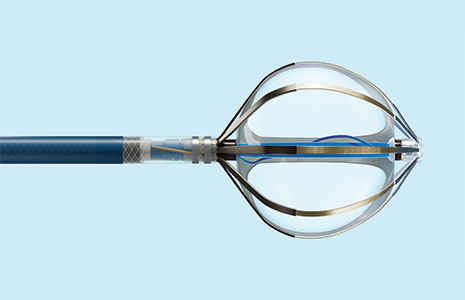
Volt™ PFA System
Reengineering PFA with minimal applications1 and total control.
Volt PFA System simplifies therapy delivery while minimizing procedural burden1,2 so you can treat more patients with ease and precision.1*
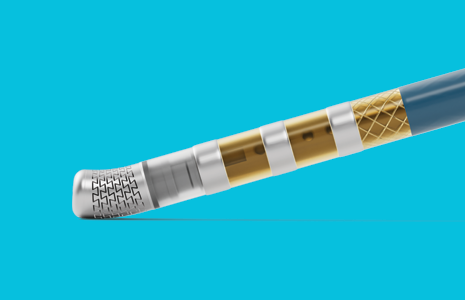
TactiFlex™ Duo Ablation Catheter, Sensor Enabled™
Intentionally built to provide the versatility, precision, and freedom necessary to confidently tailor therapy,3 switch seamlessly between PF and RF energy,4 and achieve consistent, predictable lesions5– every time.



References
* Faster procedures allow us to treat more patients.
1. Tilz, R.R. (2025, January 17) Acute results demonstrate safety and effectiveness of balloon-based pulsed field ablation system for de novo PVI in PAF and PersAF [Late Breaking Presentation]. AF Symposium 2025, Boston MA, USA.
2. Acute safety and procedural characteristics of conscious and deep sedation to general anesthesia workflows with novel balloon-based PFA system (Oral presentation and abstract by Roland Tilz, EHRA 2025).
3. Sanders, P. et al. (2025, November 13). Beyond Pulmonary Veins: Ablation Trends and Targets with a Novel Flexible-Tip Dual-Energy PF/RF Ablation Catheter [Oral presentation]. Presented by Prash Sanders. Asia Pacific Heart Rhythm Society (APHRS) 2025, Yokohama, Japan.
4. Data on file 91062308.
5. Friedman, et al. (2025 September) Development of a PFA index to guide energy delivery with a force sensing flexible, irrigated tip catheter [Oral presentation]. ESC 2025, Madrid, Spain.
Rx Only. Brief Summary: Prior to using these devices, please review the Instructions for Use for a complete listing of indications, contraindications, warnings, precautions, potential adverse events, and directions for use.
Volt™ PFA Catheter, Sensor Enabled™
United States: Required Safety Information
Indications for Use: The Volt™ PFA Catheter, Sensor Enabled™ is indicated for the treatment of symptomatic, recurrent, drug-refractory paroxysmal or persistent (episode duration less than one year) atrial fibrillation when used in conjunction with a compatible pulsed field ablation (PFA) generator. The catheter is compatible with the EnSite™ X EP System. Contraindications: The Volt™ PFA Catheter, Sensor Enabled™ is contraindicated for: ▪ Patients who have had a ventriculotomy or atriotomy within the preceding four weeks. ▪ Patients with prosthetic valves as the catheter may damage the prosthesis. ▪ Patients with an active systemic infection as this may increase the risk for cardiac infection. ▪ Patients with a myxoma or an intracardiac thrombus as the catheter could precipitate an embolus. ▪ Patients unable to receive heparin or an acceptable alternative to achieve adequate anti-coagulation. The transseptal approach is contraindicated in a patient with an interatrial baffle or patch because the opening could persist and produce an iatrogenic atrial shunt. The retrograde trans-aortic approach is contraindicated in patients who have had aortic valve replacement. Warnings: Misuse of this device may result in serious complications. Do not alter this device in any way. This device is intended for one time use only; do not reprocess or reuse it. Note the product “Use by” date on the package. Any attempt to resterilize and reuse this system may compromise its integrity. Adverse effects of using nonsterile components may include, but are not limited to: ▪ Local or systemic infection or reaction ▪ Mechanical damage ▪ Inaccurate functionality. For both patients and laboratory staff, cardiac catheterization procedures present the potential for significant x-ray exposure, which can result in acute radiation injury as well as increased risk for somatic and genetic effects due to the x-ray beam intensity and duration of the fluoroscopic imaging. Carefully consider the use of this device in pregnant women. This device should be used by physicians trained in the techniques of catheter ablation in a fully equipped electrophysiology laboratory. Do not immerse the proximal handle or cable connectors in fluids; electrical performance could be affected. Do not use excessive force to advance or withdraw the catheter when resistance is encountered. Vascular perforation or dissection is an inherent risk of any catheter placement. Careful catheter manipulation must be performed to avoid device component damage, thromboembolism, cerebrovascular accident, cardiac damage, perforation, pericardial effusion, or tamponade. The safety and long-term effects of lesions created by pulse field ablation have not been established. In particular, the long-term effects of lesions in proximity to the specialized conduction system or coronary vasculature are unknown. The safety and effectiveness of the device has not been established in pregnant women or pre-pubescent children. Careful consideration must therefore be given for the use of the device in pregnant women or prepubescent children. Concurrent use of non-linear catheters within the atrial chamber may increase the risk of entanglement. Catheter entanglement with other device is a possible complication of electrophysiology procedures. To unentangle the Volt™ PFA Catheter, Sensor Enabled™, deflate the balloon and manipulate the opposing catheter to the center of the basket electrodes. Follow any relevant entanglement procedures from the opposing device. Aspiration during catheter introduction or withdrawal is recommended to limit the potential for air ingress into the patient. During catheter preparation, rinsing or submerging the basket in saline reduces the potential for blood coagulation. During catheter preparation, shifting the straightener over the basket removes any residual air remaining in the folds of the balloon and reduces the potential for air embolism. Use of a syringe larger than 12 mL for balloon inflation increases the risk of overinflation. This can result in detachment of the spline electrodes at the distal coupler. Pacemakers and implantable cardioverter/defibrillators can be affected adversely by PFA signals. It is important to: ▪ Have temporary external sources of pacing and defibrillation available during ablation. ▪ Deactivate ICDs because they can discharge and injure the patient or even damage the ICDs during the ablation procedure. ▪ Exercise extreme caution while ablating near atrial or ventricular permanent pacing leads. ▪ Perform complete pacing system analysis on all patients after ablation. Precautions: Do not deflect the introducer while the basket is within the deflectable portion of the introducer, as this can cause damage to the introducer deflection mechanism. Do not deflect the Volt™ PFA Catheter, Sensor Enabled™ while the basket is in the introducer, as this can cause damage to the catheter deflection mechanism. The first application of PFA will likely result in a significant reduction of amplitude of PV potentials recorded from the electrodes on the catheter. Do not use this as an immediate indication that no further ablation is necessary. The PFA therapy should be delivered in accordance with the Therapy Delivery Parameters. Advance the catheter slowly through the introducer to minimize the risk of air embolism. Do not attempt to use the device before completely reading and understanding the applicable instructions for use. Inspect the package prior to use. Do not use if the packaging or catheter appears damaged. Inspect all components before use. Excessive bending or kinking of the catheter may cause damage to the catheter. Be careful not to twist the electrodes with respect to the catheter shaft; twisting may damage the electrode bond and loosen the electrodes. Release the steering (make the catheter straight) prior to pulling back the catheter into the introducer. Deflate the balloon before pulling the catheter back into the introducer. Overinflation of the balloon may cause damage to the device. Always straighten the catheter shaft and keep the balloon deflated before insertion or withdrawal. Do not use if the catheter appears damaged, kinked, or if there is difficulty in deflecting the distal section to achieve the desired curve. Do not use if the catheter does not hold its curve or if there is difficulty deflecting the catheter. Do not use if there is difficulty inflating or deflating the balloon. Do not use excessive force to advance or withdraw the catheter while inside the introducer when resistance is encountered to avoid potential damage to the catheter. Do not expose catheter to organic solvents such as alcohol. Catheter advancement must be performed with support from visualization modalities such as Intracardiac echo, fluoroscopy, and or compatible navigation and visualization systems to minimize the risk of cardiac damage, perforation, or tamponade. If other catheters are used concomitantly with the Volt™ PFA Catheter, Sensor Enabled™, only use other catheters in close proximity when the balloon is inflated, and never in tandem with the catheter in the same pulmonary vein. Never retract the catheter into the introducer when another catheter is in close proximity. Never use a loop catheter concomitantly with the Volt™ PFA Catheter, Sensor Enabled™ within the same atrial chamber. Retract the catheter into the introducer before using a loop catheter within the same chamber. Prior to therapy delivery, ensure that the guidewire is not touching the basket electrodes to prevent ineffective therapy. Compliance with intended therapy delivery parameters reduces the potential for hemolysis and acute kidney injury. Ensure that vacuum pressure is relieved and balloon is fully deflated. After deflating the balloon, leave the stopcock open between the syringe and the inflation lumen to prevent catheter damage during catheter withdrawal. It is recommended to withdraw the guidewire into the introducer prior to balloon deflation to avoid potential entanglement with spline electrodes. Ensure even spacing for splines and full balloon inflation to reduce potential for generator fault detection. Ensure connection to center lumen stopcock when attempting to inject contrast. The balloon inflation lumen has a blue/grey striped sleeve to visually distinguish it from the center lumen stopcock. Do not touch the guidewire during therapy delivery. Risk of electric shock to the user is possible under rare circumstances in which the guidewire is in contact with an active therapy electrode(s) and the user. During treatment with the catheter, ensure there is no possibility of contact with electrodes from another catheter. To avoid thromboemboli, intravenous heparin should be used when entering the left heart during ablation. Consult the HRS consensus guidelines for anticoagulation strategies pre-, during, and post-catheter ablation. Individual patient anatomy and physician technique may require procedural variations. Maintain an activated clotting time (ACT) of greater than 300 seconds at all times during use of the catheter. Store in a dry place. After use, the device accessories and packaging should be appropriately classified for disposal, e.g. biohazard, sharps, non-hazardous waste etc., and carefully disposed of in compliance with facility procedures and applicable laws and regulations. Catheter materials are not compatible with magnetic resonance imaging (MRI). Potential Adverse Events: The potential adverse events may be related to the ablation catheter(s) and/or the interventional procedure. The severity and/or the frequency of these potential adverse events may vary and may result in prolonged procedure time and/or additional medical and/or surgical intervention, implantation of a permanent device such as a pacemaker, and in rare cases, may result in death. The following adverse events have been documented for catheter ablation procedures: ▪ Abnormal vision ▪ Acute kidney injury ▪ Air embolism ▪ Anesthesia reaction ▪ Angina/chest pain/discomfort ▪ Aorto-right atrial fistula ▪ Arrhythmias, including exacerbation of preexisting atrial fibrillation ▪ Arteriovenous fistula ▪ AV/SA node stunning (asystole) ▪ Bleeding, including major bleeding requiring surgery or transfusion/hematomas/anemia ▪ Cardiac perforation/tamponade ▪ Cardiac embolism ▪ Cardiovascular injury, including atrial trauma and coronary artery/pulmonary vein trauma ▪ COPD exacerbation ▪ Component damage to Implantable Cardioverter Defibrillator(ICD) or implantable pacemaker ▪ Coronary artery spasm ▪ Cytotoxicity/systemic toxicity/sensitization/endotoxin/pyrogen ▪ Death ▪ Dislodgement of ICD or pacing leads ▪ Electrical shock ▪ Endocarditis ▪ Esophageal lesion ▪ Fever ▪ Foreign body embolism ▪ Heart block/unintended ablation ▪ Heart failure ▪ Hemothorax ▪ Hypotension ▪ Infectious pericarditis ▪ Left atrial esophageal fistula ▪ Myocardial infarction ▪ Neck/back/groin/chest pain/discomfort (general chest pain not associated with MI) ▪ Palpitations ▪ Pericarditis ▪ Pericardial effusion ▪ Phrenic nerve injury ▪ Peripheral vascular dissection/laceration ▪ Pleural effusion ▪ Pneumonia ▪ Pneumothorax ▪ Pseudoaneurysm ▪ Pulmonary edema ▪ Pulmonary embolism ▪ Pulmonary hypertension ▪ Pulmonary vein stenosis ▪ Radiation injury ▪ Respiratory failure/distress/depression/hypoxia ▪ Silent cerebral event/lesion ▪ Stiff Left Atrial Syndrome ▪ Stroke/cerebrovascular accident ▪ Syncope/vasovagal reaction/dizziness ▪ Transient ischemic attack (TIA) ▪ Thromboembolism ▪ Thrombosis/thrombus ▪ Vagal nerve injury including Gastroparesis ▪ Valvular damage or insufficiency
TactiFlex™ Duo Ablation Catheter, Sensor Enabled™
United States: Required Safety Information
Indication: TactiFlex™ Duo Ablation Catheter, Sensor Enabled™ is indicated for use in cardiac electrophysiological mapping and ablation for the treatment of drug-refractory recurrent symptomatic paroxysmal atrial fibrillation and concomitant atrial flutter, when used in conjunction with a compatible radiofrequency (RF) or pulsed field (PF) generator and three-dimensional mapping system. Contraindications: Do not use in patients with active systemic infection, intracardiac thrombus or myxoma, prosthetic heart valves, recent ventriculotomy or atriotomy (<4 weeks), inability to receive adequate anticoagulation, or in patients for whom the specified transseptal or retrograde approaches are contraindicated. Use in the coronary vasculature is contraindicated. Warnings: Application of RF energy on the left atrial posterior wall exceeding 40 W in power, or use of contact force ≥15 g, increases the risk of esophageal perforating complications including atrio-esophageal fistula and death. Application of RF energy outside of the power and duration recommendations may increase the likelihood of steam pop occurrence. The combination of intracoronary placement of the ablation catheter and RF energy application has been associated with myocardial infarction and death. Contact force accuracy above 50 g has not been established. Increased contact force may increase the risk for perforation during manipulation of the catheter. Cases of delayed onset of atrio-esophageal fistula (AEF) have been reported in association with radiofrequency catheter ablation procedures. While rare, AEF is associated with significant morbidity and mortality. A high index of suspicion for AEF should be maintained in patients who present with symptoms including but not limited to fever, neurological deficits, hematemesis, septic shock, and dysphagia in the several weeks after a left atrial ablation procedure. Inspect tubing, connections, and saline irrigation for air bubbles prior to and throughout its use in the procedure. Air or bubbles in the saline irrigation may cause emboli, potential injury, or fatality. To avoid thromboemboli, intravenous heparin should be used when entering the left heart during ablation. Patients undergoing septal accessory pathway ablation are at risk for complete AV block which requires the implantation of a permanent pacemaker. Permanent pacing may be required in patients who experience inadvertent complete AV block as a result of RF ablation. Implantable pacemakers and implantable cardioverter/defibrillator (ICDs) may be adversely affected by RF or PFA current. It is important to: have temporary external sources of pacing and defibrillation available during ablation, temporarily reprogram the pacing system to minimum output to minimize risk of inappropriate pacing, exercise extreme caution during ablation when in close proximity to atrial or ventricular permanent leads, program the ICD to the OFF mode during the ablation procedure, perform complete implantable device analysis on all patients after ablation. Take precautions to avoid injuring the phrenic nerve, including pacing to identify the proximity of the nerve, and, when using RF, appropriately reducing power. Caution should be taken when placing lesions in the proximity of the specialized conduction system. Collateral anatomical structures need to be considered (e.g. phrenic nerve, coronary arteries and native conduction system) while manipulating catheters and prior to ablation. PF energy should not be applied to the cavotricuspid isthmus. Ablations in areas adjacent to the coronary arteries may lead to coronary artery spasm and/or injury, and the resulting myocardial injury may be fatal. Precautions: Use the catheter only in a fully equipped electrophysiology laboratory. It is recommended that the laboratory should include corresponding equipment including, but not limited to, fluoroscopy, stimulator, recording, defibrillator or ultrasound/intracardiac echocardiography (ICE) units. The PFA therapy should be delivered in accordance with Therapy Delivery Parameters. The first application of PFA will likely result in a significant reduction of amplitude of PV potentials recorded from the electrodes on the catheter. Do not use this as an immediate indication that no further ablation is necessary. During treatment with the catheter, ensure there is no possibility of contact with the electrodes or guidewire from another catheter. Always straighten the catheter tip before insertion or withdrawal. If irrigation flow is interrupted, immediately inspect and re flush the catheter outside of the patient. Re-establish irrigation flow prior to placing catheter in the body. Irrigated ablation systems have been shown to create larger lesions than standard radiofrequency ablation catheters. Be careful when ablating near electrically vulnerable, thin walled, or other arterial structures. Potential Adverse Events: Potential adverse events include, but are not limited to, death, stroke, transient ischemic attack (TIA), atrio-esophageal fistula (AEF)/esophageal injury, phrenic nerve injury/diaphragmatic paralysis, and serious cardiovascular complications including cardiac tamponade, cardiac perforation, myocardial infarction, heart block requiring permanent pacemaker implantation, pulmonary vein stenosis, thromboembolism, and major bleeding or vascular access complications. Refer to the Instructions for Use for a complete list of adverse events.
MAT-2678149 v1.0