
Visit ClinicalTrials.gov
To learn more about the Coronary IVL IDE Study.



Abbott is testing a new treatment for people with coronary artery disease. This disease causes the arteries in your heart to narrow due to hard calcium buildup. Before placing a stent (a small tube to keep the artery open), Abbott wants to see if their new treatment can help.
The new treatment is called the Abbott Coronary Intravascular Lithotripsy (IVL) System. It uses a special device to prepare the blood vessels in your heart. The device works by using a balloon to widen the sections of the arteries that are narrowed by calcium. The purpose of this study is to check if the Coronary IVL System is safe and effective. The system is designed to treat arteries that are severely blocked by calcium before placing a stent.
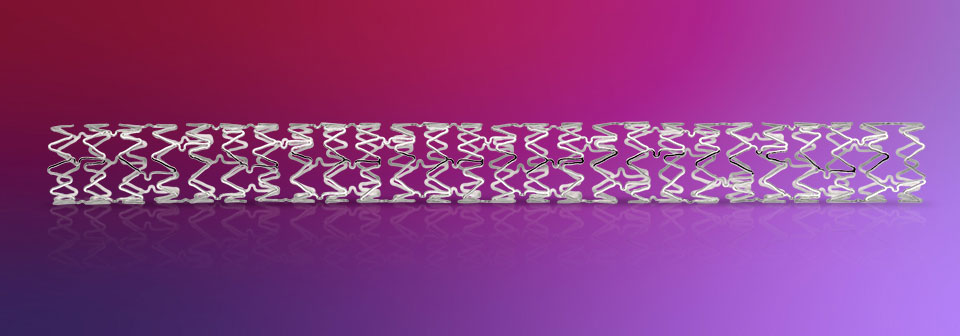
The study device under investigation is the Coronary IVL System that uses intravascular lithotripsy to modify calcium and prepare vessels for stent placement.
The study device consists of:

Providing energy to the Coronary IVL System generates pulsatile mechanical energy within the coronary artery treatment site. The resulting shock waves break up calcium buildup within the artery prior to stent placement.
Now that you are registered, stay compliant with the follow-up process that your physician prescribes.
Post-treatment, patients will have 4 study visits over a 2-year period at the following timepoints:
These visits can be conducted in person or over the telephone.
You will be prescribed dual antiplatelet therapy (DAPT) for a minimum of 30 days post-treatment. DAPT is prescribed to prevent blood from clotting in your arteries. DAPT is aspirin treatment with clopidogrel, prasugrel, or ticagrelor. After the first 30 days, your doctor may recommend additional DAPT.
Patient resources for scheduled follow-up visits are available for the Coronary IVL IDE Study and include:
To learn more about the Coronary IVL IDE Study.

If you have questions, please email us
CL1028213 Rev. B