

Structural Heart Fellows Courses
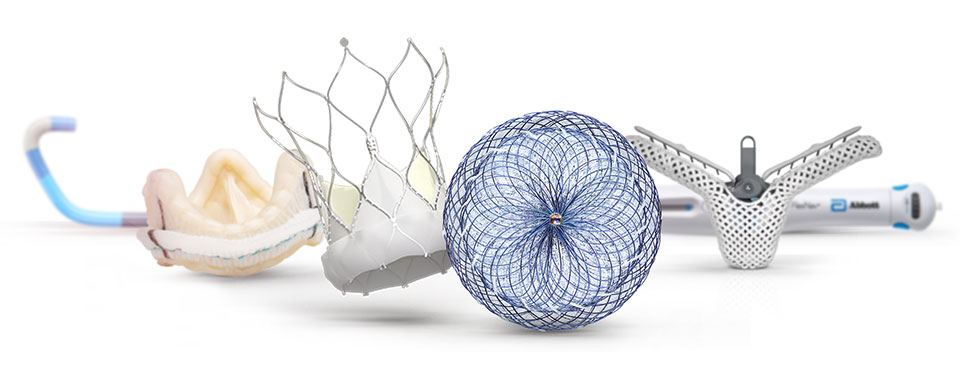
Course Offerings for Structural Heart Fellows
The courses featured on this page are designed for structural heart fellows. Each course is developed to provide:
- Comprehensive strategies for managing complex structural heart conditions, including valve disease and congenital abnormalities.
- Evidence-based insights into current short-term and long-term treatment approaches, covering both non-invasive and minimally invasive techniques.
- Hands-on training in the implantation and utilization of Abbott’s Structural Heart portfolio, including transcatheter valve therapies and closure devices.
Contact your local Abbott representative or reach out to our Global Professional Relations team to register or request more information about our Fellows Courses.
Want to learn more about our Structural Heart products and therapy? Request more product information below.
Featured In-Person Courses
Congenital New Implanter, Early Career, Fellows Training Program
Date: April 2026
Course Overview
This program provides a focused introduction to the safe and effective use of Amplatzer devices, including Piccolo, ASD, and VSD occluders. Participants engage with experienced physician faculty through didactic sessions, hands‑on device training, and interaction with R&D, with a comprehensive live model experience on day two.
Course Highlights
- Hands-on learning with expert guidance:
Direct Interaction with experienced implanters, including device handling, implantation strategies, and real-world technique refinement.
- Immersive training experience:
Includes R&D engagement and a comprehensive live model lab to strengthen procedural understanding and skill development..
Cardiac Surgery Fellows Course
Date: May 2026
Course Overview
This immersive course is designed for fellows and early-career physicians seeking a comprehensive understanding of lifetime management strategies for aortic valve disease. The course combines didactic learning, hands-on experiences, and behind-the-scenes insights into Abbott’s innovation and surgical valves.
Course Highlights
- Lifetime Management Principles
Explore strategies for planning interventions across a patient’s lifetime, including surgical and transcatheter options. - R&D Insights and Hands-On Experience
Engage directly with Abbott’s engineering teams to understand device design, testing, and future innovations. - Manufacturing and Test Lab Tours
Gain a unique perspective on how precision engineering and rigorous testing ensure device performance and safety.
TAVI Fellows Course
Date: September 2026
Course Overview
This comprehensive, two-day course is designed to advance your expertise in Transcatheter Aortic Valve Implantation (TAVI) for the treatment of symptomatic, severe aortic stenosis.
Course Highlights
- Expert Didactic Sessions
Deep dive into patient selection for both routine and complex cases, including strategies for lifetime management of aortic stenosis. - Interactive Live Case Observations
Gain real-world insights with a focus on pre-operative work-up, assessment, and management considerations. - Renowned Faculty Moderation
Learn from leading experts, guiding discussions and sharing best practices for optimal outcomes.
Watch the testimonial below to learn more!
MitraClip™ and TriClip™ Fellows Course
Date: November 2026
Join us for a comprehensive, two-day advanced training experience designed for fellows specializing in structural heart interventions. This course offers an unparalleled opportunity to deepen your expertise in transcatheter mitral and tricuspid therapies.
Course Highlights
- Expert-Led Interactive Sessions
Learn from renowned faculty through dynamic, case-based discussions. - Advanced Clinical Training
Gain in-depth knowledge on transseptal access, imaging techniques, patient selection, and strategies for managing routine and complex mitral anatomies, as well as advanced case scenarios. - Innovative Simulation Models
Practice real-world decision-making with cutting-edge simulation tools designed for structural heart interventions. - Hands-On Product Fair
Explore Abbott’s Structural Heart portfolio, including MitraClip™ and TriClip™, plus experience technologies from ICE (Philips), Vascular solutions, and more.
Watch the testimonials below to discover how this course can elevate your structural heart expertise!
Featured Web-Based Courses
Virtual Fellow Courses
Throughout the year, Abbott offers a variety of web-based educational webinars covering our Structural Heart portfolio. These interactive courses provide fellows with access to expert insights, case-based learning, and product updates—all from the convenience of your location.
Interested in joining?
- Contact your local Abbott representative to see if a group viewing session is happening near you.
- Or reach out to our Global Professional Relations team for registration and upcoming course schedules.
Mentoring Moments
We value the opportunity to support structural heart fellows and contribute to their professional growth and connection within the field. At key U.S. conferences, Abbott hosts dedicated 1:1 mentoring sessions that allow fellows to engage in meaningful discussions about structural heart therapies, career development, and emerging innovations. These sessions provide fellows with direct access to leading experts in the structural heart community, helping to foster valuable insights and long-term professional relationships.
2026 Mentoring Moment Schedule:
CRT
Conference Dates: March 7-10
Location: Washington, DC
ISMICS
Conference Dates: June 10-13
Location: Miami, FL
New York Valves
Conference Dates: June 24-26
Location: New York, NY
PICS
Conference Dates: August 30 – September 2
Location: San Diego, CA
TCT
Conference Dates: October 31 – November 3
Location: San Diego, CA
Learn More about our Structural Heart Product Portfolio
Important Safety Information
EPICTM MAX STENTED PORCINE TISSUE VALVES

Indications for Use
The Epic™ Max valve is indicated for patients requiring replacement of a diseased, damaged, or malfunctioning native aortic heart valve. It may also be used as a replacement for a previously implanted aortic prosthetic heart valve.
Contraindications
None known.
Potential Adverse Events
Adverse events potentially associated with the use of bioprosthetic heart valves (in alphabetical order) include: angina; cardiac arrhythmias; endocarditis; heart failure; hemolysis; hemolytic anemia; hemorrhage, anticoagulant/antiplatelet-related; leak, transvalvular or paravalvular; myocardial infarction; nonstructural dysfunction (entrapment by pannus or suture, inappropriate sizing or positioning, or other); prosthesis regurgitation; stroke; structural deterioration (calcification, leaflet tear, or other); thromboembolism; valve thrombosis. It is possible that these complications could lead to: reoperation; explantation; permanent disability; death.
Rx Only
Important Safety Information
NAVITORTM TRANSCATHETER AORTIC VALVE IMPLANTATION SYSTEM
Indications
The Navitor™ Transcatheter Aortic Valve Implantation System is indicated for relief of aortic stenosis in patients with symptomatic heart disease due to severe native calcific aortic stenosis who are judged by a heart team, including a cardiac surgeon, to be high or greater risk for open surgical therapy (i.e., predicted risk of surgical mortality ≥ 8% at 30 days, based on the Society of Thoracic Surgeons (STS) risk score and other clinical comorbidities unmeasured by the STS risk calculator).
Contraindications
The valve is contraindicated for patients with inability to tolerate antiplatelet/anticoagulant therapy or nitinol alloy (nickel and titanium), or who have active infections, including endocarditis.
Potential Adverse Events
Adverse events potentially associated with the use of transcatheter bioprosthetic heart valves include but are not limited to: access site complications (e.g., pain, bleeding, infection, hematoma, pseudoaneurysm, etc.); acute coronary obstruction; acute myocardial infarction; allergic reaction to antiplatelet agents, contrast medium, or valve components; aortic rupture; ascending aorta trauma; atrio-ventricular node block; cardiac arrhythmias; conduction system injury; conversion to open surgical procedure; death; dissection; embolism; emergent balloon valvuloplasty; emergent percutaneous coronary intervention (PCI); emergent surgery (i.e., coronary artery bypass, heart valve replacement); endocarditis; explantation; heart failure; hemodynamic compromise; hemolysis; hemolytic anemia; hemorrhage; hypotension or hypertension; infection; myocardial ischemia; mitral valve insufficiency; multi-organ failure; non-structural dysfunction (i.e., entrapment by pannus, paravalvular leak, inappropriate sizing or positioning); pannus; pericardial effusion; perforation of the myocardium, ventricle, or a blood vessel; permanent disability; permanent pacemaker; regurgitation; renal insufficiency or renal failure; reoperation; respiratory failure; sepsis; stroke; structural deterioration (i.e., calcification, leaflet tear); thrombosis; tamponade; transfusion; valve embolization or migration; vessel dissection or spasm.
Rx Only
Important Safety Information
AMPLATZER™ TALISMAN™ PFO OCCLUDER
Indications for Use
The AMPLATZER™ PFO Occluder is indicated for percutaneous transcatheter closure of a patent foramen ovale (PFO) to reduce the risk of recurrent ischemic stroke in patients, predominantly between the ages of 18 and 60 years, who have had a cryptogenic stroke due to a presumed paradoxical embolism, as determined by a neurologist and cardiologist following an evaluation to exclude known causes of ischemic stroke.
Contraindications
Patients with intra-cardiac mass, vegetation, tumor or thrombus at the intended site of implant, or documented evidence of venous thrombus in the vessels through which access to the PFO is gained; Patients whose vasculature, through which access to the PFO is gained, is inadequate to accommodate the appropriate sheath size; Patients with anatomy in which the AMPLATZER™ PFO device size required would interfere with other intracardiac or intravascular structures, such as valves or pulmonary veins; Patients with other source of right-to-left shunts, including an atrial septal defect and/or fenestrated septum; Patients with active endocarditis or other untreated infections
Potential Complications and Adverse Events
Potential adverse events that may occur during or after a procedure using this device may include, but are not limited to: Air embolus; Allergic drug reaction; Allergic dye reaction; Allergic metal reaction: Nitinol (nickel, titanium), platinum/iridium, stainless steel (chromium, iron, manganese, molybdenum, nickel); Anesthesia reactions; Apnea; Arrhythmia; Bacterial endocarditis; Bleeding; Brachial plexus injury; Cardiac perforation; Cardiac tamponade; Cardiac thrombus; Chest pain; Device embolization; Device erosion; Deep vein thrombosis; Death; Endocarditis; Esophagus injury; Fever; Headache/migraine; Hypertension/hypotension; Myocardial infarction; Pacemaker placement secondary to PFO device closure; Palpitations; Pericardial effusion; Pericardial tamponade; Pericarditis; Peripheral embolism; Pleural effusion; Pulmonary embolism; Reintervention for residual shunt/device removal; Sepsis; Stroke; Transient ischemic attack; Thrombus; Valvular regurgitation; Vascular access site injury; Vessel perforation
Rx Only
Important Safety Imformation
AMPLATZER™ TALISMAN™ DELIVERY SHEATH
Indications for Use
The Amplatzer™ Talisman™ Delivery Sheath is indicated to provide a pathway through which an Amplatzer™ PFO Occluder is introduced for patent foramen ovale closure.
Contraindications
None known.
Warnings
This device was sterilized with ethylene oxide and is for single use only. Do not reuse or resterilize this device. Attempts to resterilize this device can cause a malfunction, insufficient sterilization, or harm to the patient. Do not use this device if the sterile package is open or damaged. Inspect all components before use. Do not use if the package or items appear to be damaged or defective. DO NOT use the Amplatzer™ Talisman™ Delivery Sheath after the Use-by date stated on the package label. This device should be used only by physicians who are trained in standard transcatheter techniques. The physician should determine which patients are candidates for procedures that use this device. Use a hemostasis valve to impede blood backflow during the implant procedure.
Precautions
The physician should exercise clinical judgment in situations that involve the use of antithrombotic drugs before, during, and/or after the use of the delivery sheath. Use caution and rely on imaging guidance when advancing the sheath and dilator to minimize the risk of cardiovascular injury or interference with previously implanted medical devices. Whenever possible, advance the sheath and dilator over a guidewire. Do not attempt to use a guidewire larger than the maximum diameter specified in the Directions for Use. Do not use a power injection system to put contrast solution through the sheath. Remove the dilator and sheath from the patient slowly to prevent an ingress of air.
Potential Adverse Events
Potential adverse events that may occur during or after a procedure using this delivery sheath may include, but are not limited to: allergic reaction/toxic effects due to hypersensitivity to contrast agent, anesthesia, device materials, or drugs used to minimize blood clot formation, arrhythmia, arteriovenous fistulae, bleeding, cardiac perforation, cardiac tamponade, cardiovascular injury, death, dissection, embolism (air, foreign body, and peripheral), hematoma, infection, myocardial infarction, pericardial effusion, thromboembolism, thrombosis, vascular access site injury.
CAUTION: Product(s) intended for use by or under the direction of a physician. Prior to use, reference to the Instructions for Use, inside the product carton (when available) or at https://www.eifu.abbott/ for more detailed information on Indications, Contraindications, Warnings, Precautions and Adverse Events.
MAT-2300320 v6.0