


TactiFlex™ Duo Ablation Catheter, Sensor Enabled™ is available for sale in EUROPE.
Caution: investigational device. Limited by Federal (or United States) law to investigational use.
TactiFlex™ Duo Ablation Catheter, Sensor Enabled™
clinical evidence : Atrial Ablation
The PFA components of the system consist of the following:
- TactiFlex™ Duo Ablation Catheter, Sensor Enabled™: A dual energy, flexible-tip focal ablation catheter that can transmit either RF energy or PFA therapy. It is designed for therapy delivery, pacing, and collection of electrical and anatomical data when used with the EnSite™ X EP System.
- Current™ PFA Generator: The streamlined user interface includes energy source selection and PFA waveform selection. Abbott’s Current PFA Generator is designed for intuitive use and can also be used with the Volt™ PFA Catheter, Sensor Enabled™.
The RFA components of the system consist of the following:
- Ampere™ RF Generator
- CoolPoint™ Pump
- TactiSys™ Quartz Equipment
Explore the data
Key clinical trials
FlexPulse IDE 12 month results1
The FlexPulse IDE study describes the use of a novel dual-energy (pulsed field ablation and radiofrequency) system in patients with PAF treated with PVI, with additional ablation beyond PVI permitted when clinically indicated.
Safety
1.7%
Primary safety event rate1
0%
Stroke/TIA, phrenic injury, esophageal lesions, pulmonary vein stenosis, device and/or procedure related deaths reported1
Efficacy
92.6%
Freedom from AF/AFL/AT recurrence with standard of care monitoring1
91.7%
freedom from repeat ablation at 12 months* n=165/1801
74.6%
Freedom from any primary effectiveness endpoint events1
*Post 90-day blanking period and through 12 months
Workflows
93%
PFA Only PVI
53%
Same day discharge
28%
Zero Fluoroscopy
Acute results
Demographics
 24
24
sites worldwide
 180
180
paroxysmal AFib patients treated worldwide
FOICALFLEX CE Mark study
6-month data evaluated safety and effectiveness in a range of conditions2
Recent results from the FOCALFLEX Study describe the use of the TactiFlex Duo System in pulsed field ablation procedures and outline observations related to safety data and ablation approaches evaluated in the study.
1.4%
Primary safety event rate (n=2/147)2
0%
Of subjects reporting phrenic nerve injury, PV stenosis, death, or esophageal injury2
81%
Of patients remained free from documented arrhythmia recurrence at 6 months (AF/AFL/AT)2
1
Repeat ablation* (1/144)2
99.6%
Acute effectiveness per vein* (565/567)2
94.2%
First-pass isolation per vein** (534/567)2

Demographics
21
centers in Australia and Europe
144
Patients treated: Mean age 62 ± 10 years 63% male

Ablation protocol PFA on the posterior wall RF on regions adjacent to coronary arteries
Workflow: PFA index
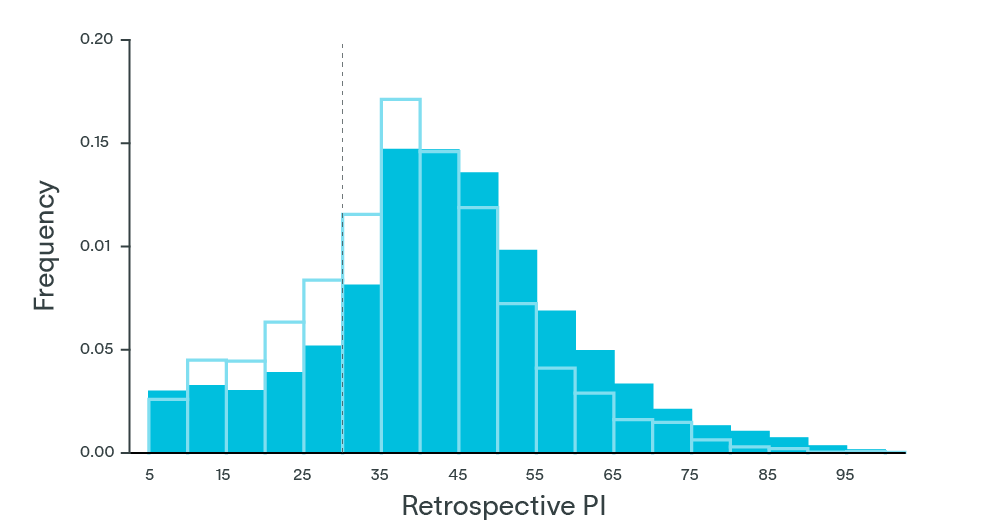
The TactiFlex Duo system includes a PFA Index (PI), a real-time integration of factors associated with lesion formation that measures the therapy effect of PFA energy delivery. These factors include sufficient energy delivery, tissue contact, and local tissue response. The PI metric can be used as an additional tool for indication of lesion progression during PF energy delivery.
Impact of PFA Index: Retrospective Analysis of IDE trial 1
Initial insight into threshold values of a novel PFA Index and AutoMark Distance using a dual-energy RF/PF ablation catheter that are positively associated with freedom from arrhythmia recurrence at 12-months post-ablation procedure.
84.6%
Freedom from documented AF/AFL/AT
at 12-months in cases where
80%
of lesions with PI values of ≥ 30
90%
Of lesions with Automark Distance ≤ 6mm
Development of PFA Index9
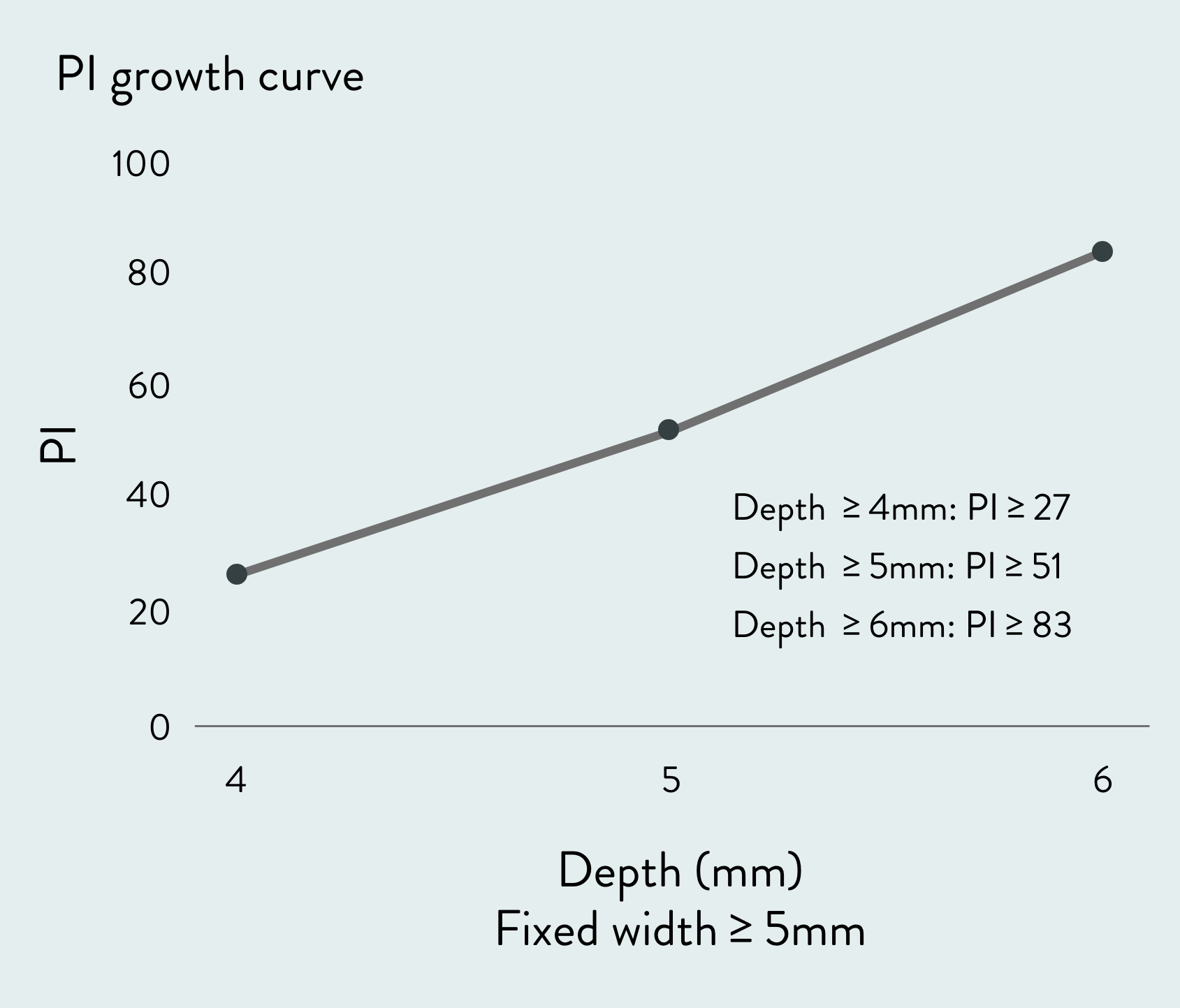
In animal studies, numerous factors were tested for impact on PFA Lesion progression.
Top impacting factors:
- Number of bursts delivered for sufficient energy
- % Time that contact force ≥ 5 g for sufficient tissue contact
- Change in local bipolar tissue impedance (D-2) for local tissue response
Workflow: sedation & beyond PVI3
Across both the FOCALFLEX and FlexPulse trials, sedation strategy was left to operator discretion, demonstrating the flexibility of TactiFlex™ Duo across a range of workflow preferences, including general anesthesia, conscious sedation, and deep sedation.
Sedation workflows in clinical trials3
CE Mark2
Sedation Method
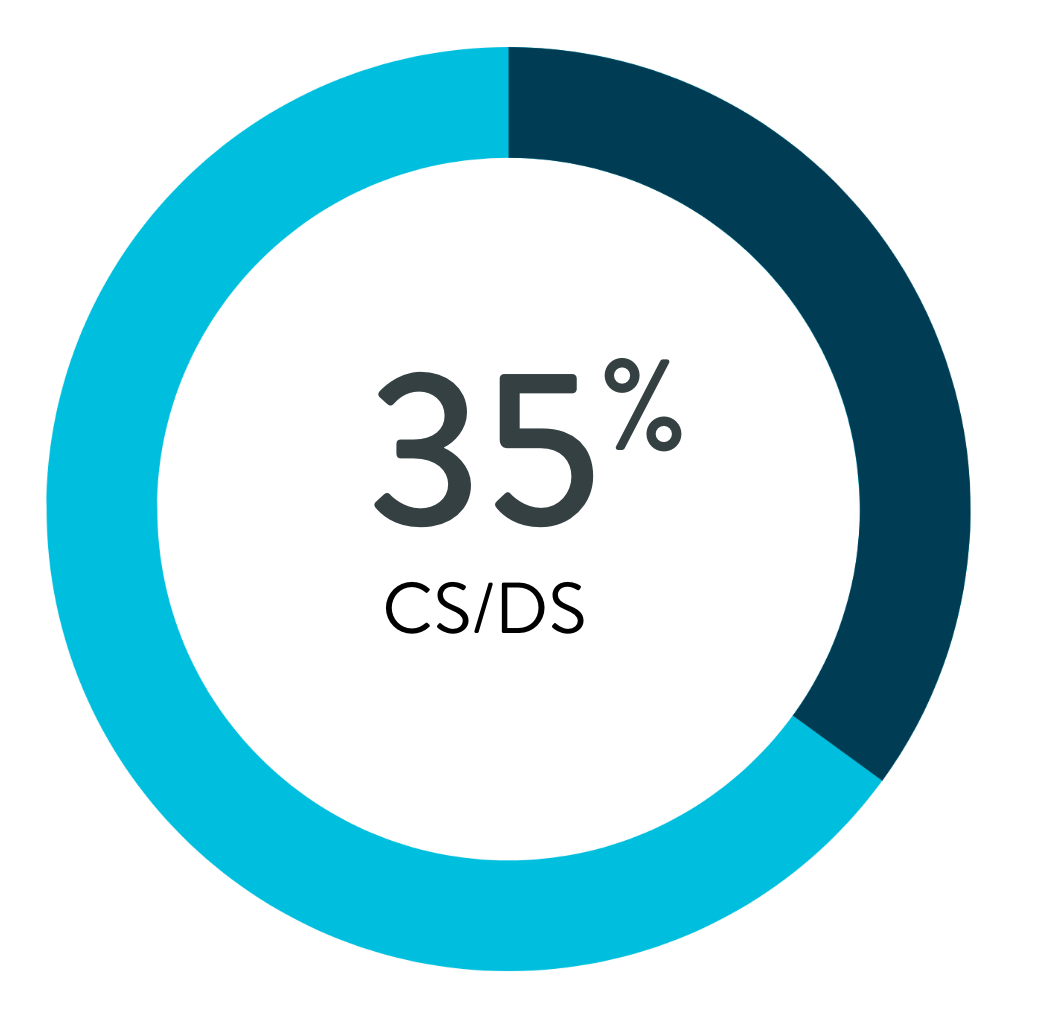
65% General Anesthesia
IDE1
Sedation Method
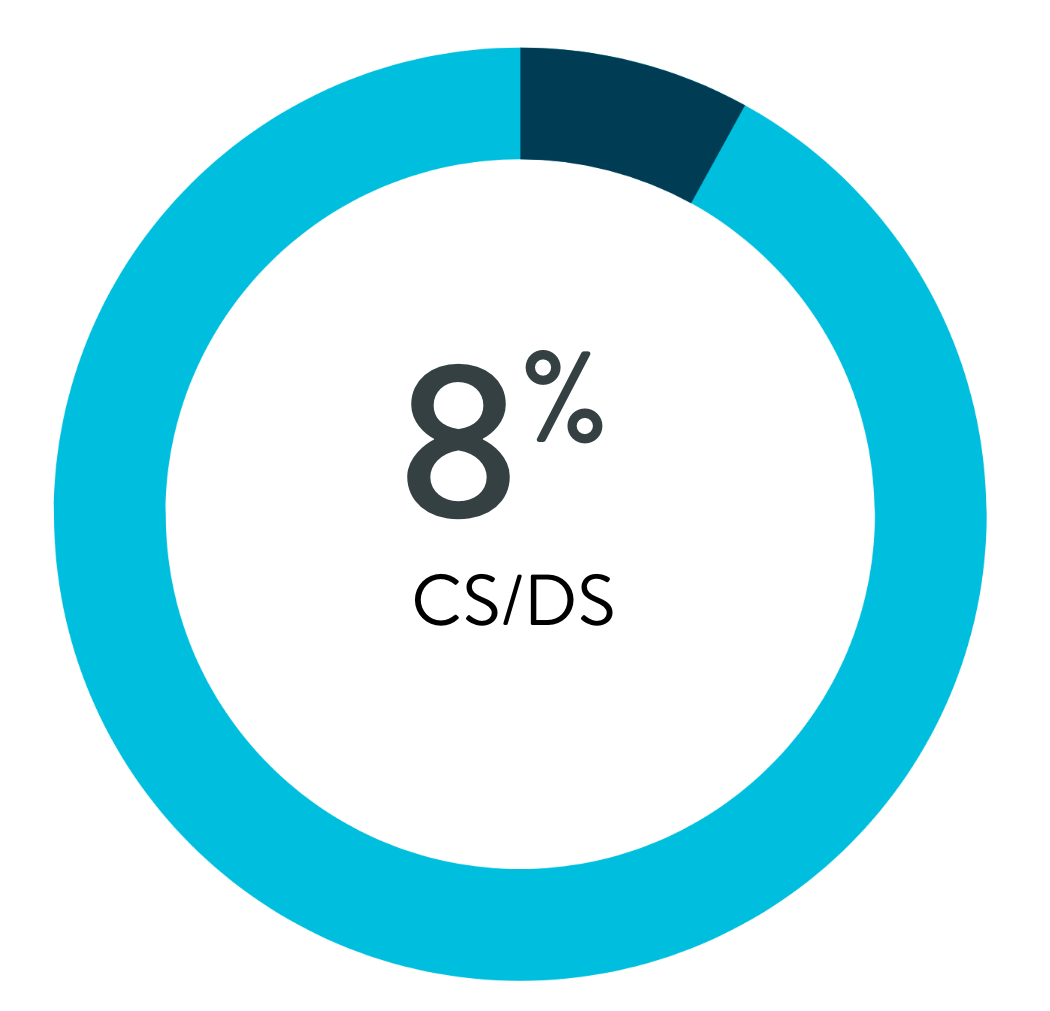
92% General Anesthesia
Proportion with none or clinically acceptable SMR as defined by operator
92.8% GA cases
92.9% DS cases
Clinical trial beyond PVI findings4
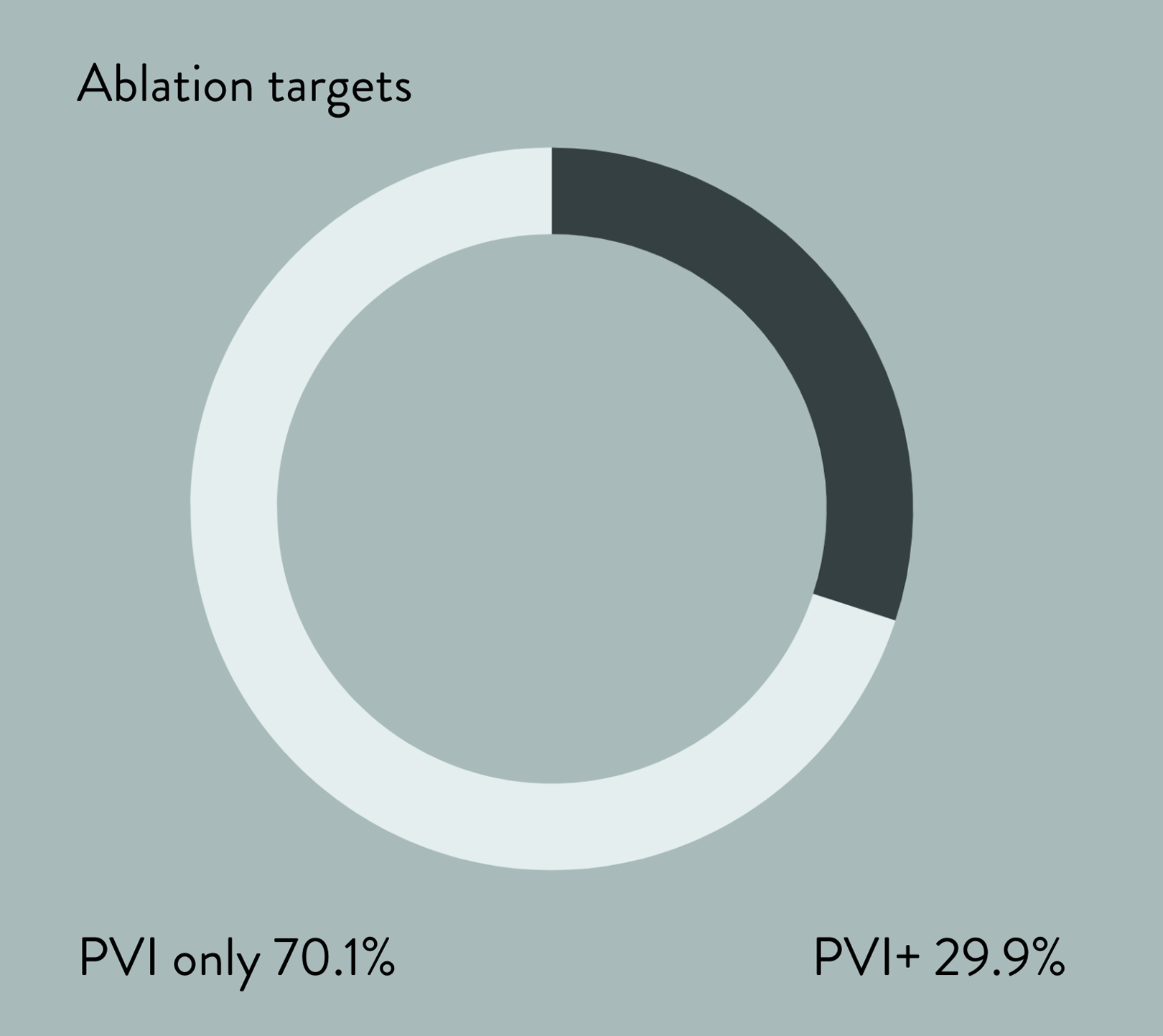
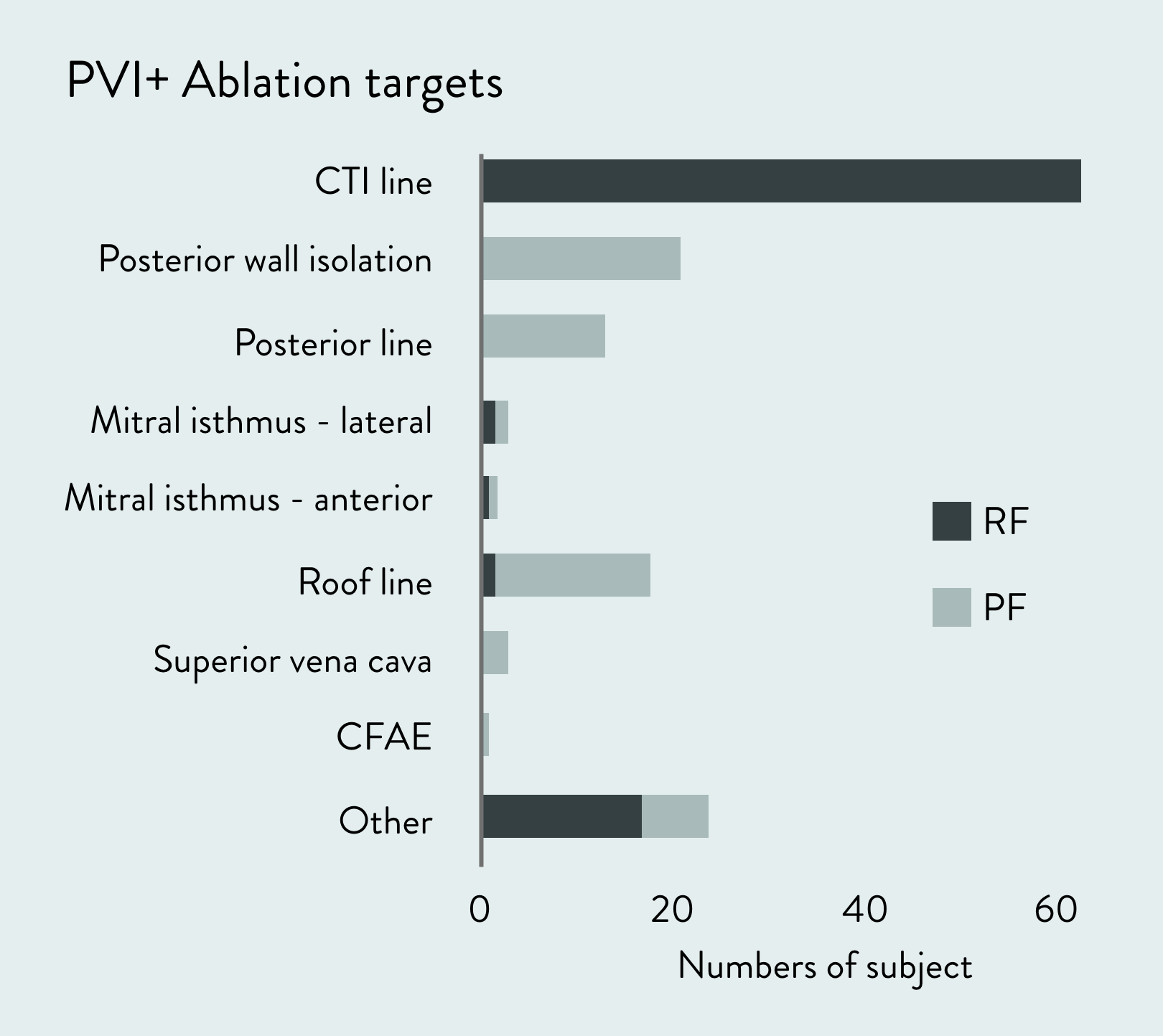
In a pooled analysis of 2 clinical trials: FlexPulse IDE Study (NCT06676072) and FocalFlex CE mark study (NCT06271967), initial clinical use demonstrated the ability of TactiFlex Duo System to effectively navigate to and safely treat a range of non-PVI targets.
Primary safety event rate
1.8% PVI-Only subjects (4/227)
1.0% PVI+ subjects (1/97)
Lesion data: preclinical
2026 AF Symposium: Applications in porcine ventricular tissue10
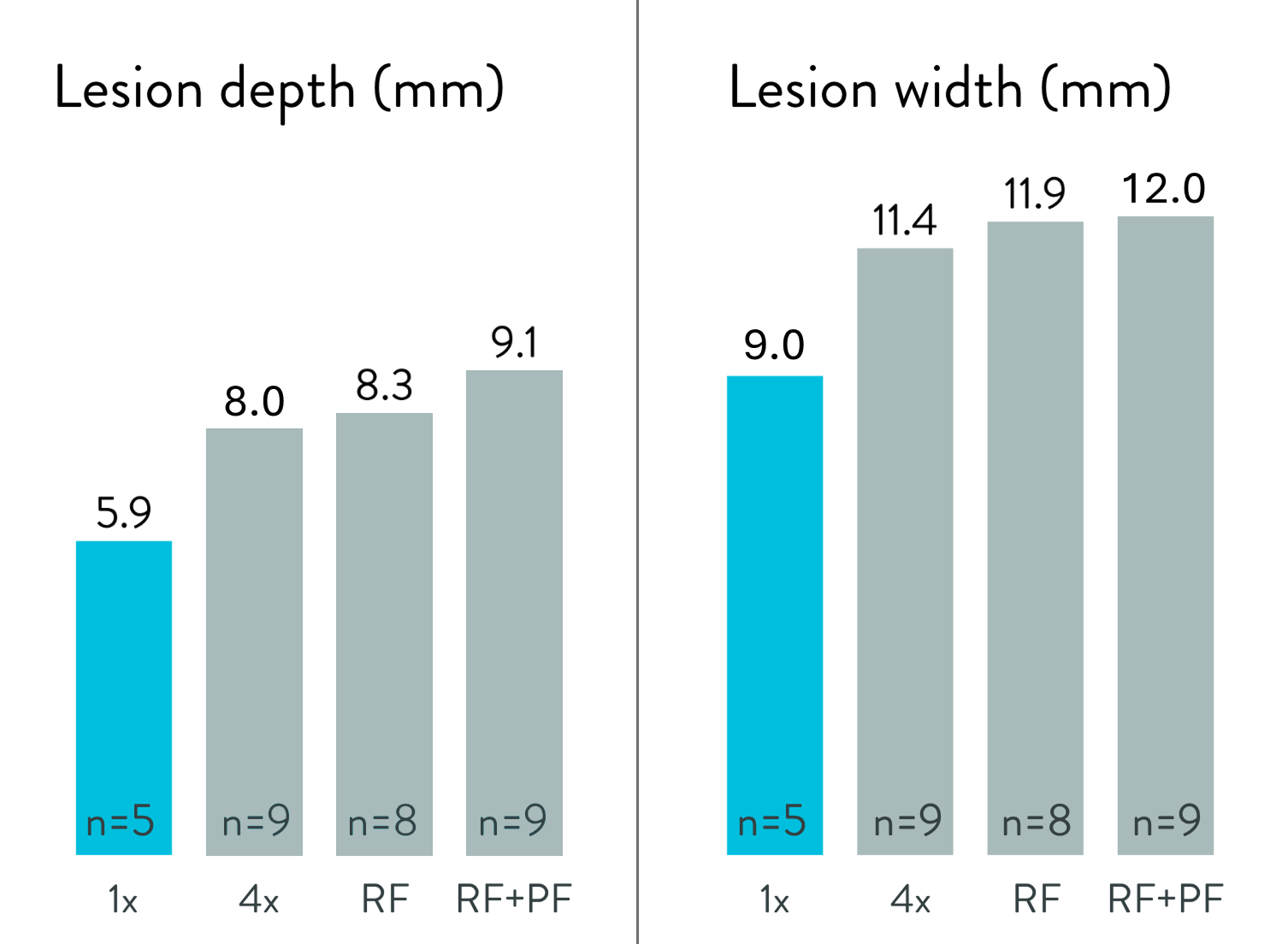
In an acute porcine model TactiFlex™ Duo demonstrated lesion depths and widths appropriate for atrial use with a single nominal PFA application, while multiple applications produced larger lesions. Lesion depth and width were not significantly different between RF alone (50 W, 20 s) and RF followed by four stacked PFA applications.10
Acute animal model (n=5) porcine ventricular Lesions created utilizing CF between 5-20 g. Applications applied as single application, stacked 4x, or sequential PF then RF.
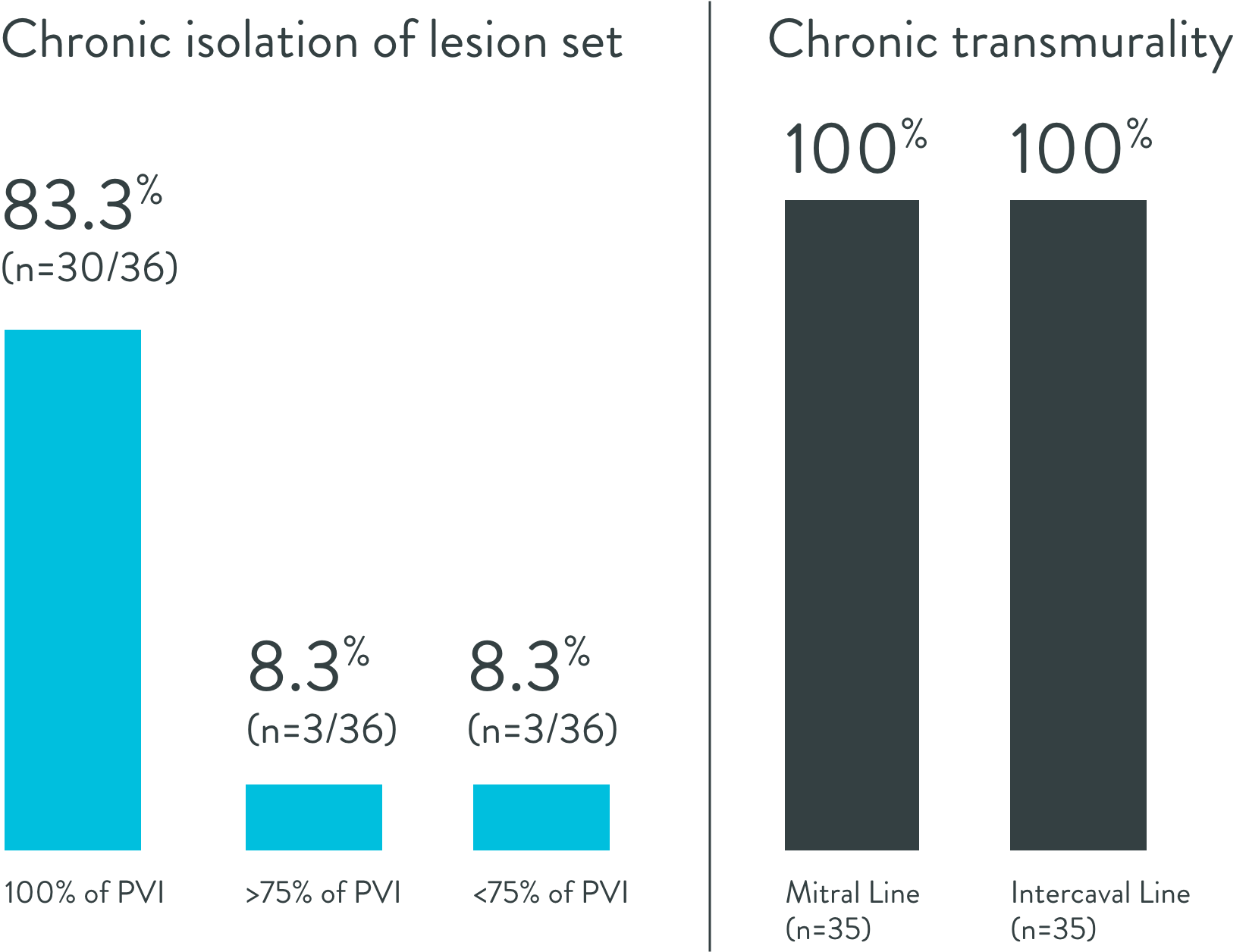
2025 HRS Abstract: Chronic Canine Safety & Efficacy7
Demonstrates the safety and effectiveness of PF only and RF+PF lesions delivered using the TactiFlex Duo catheter in creation of focal, linear, and circumferential atrial lesion sets using two distinct PFA waveforms.
TactiFlex™ Duo Ablation Catheter, Sensor Enabled™ is available for sale in EUROPE.
Caution: investigational device. Limited by Federal (or United States) law to investigational use.
* PVI confirmation after 20-minute wait period
** After 20-minute wait period and no early reconnections
*** Subset of full study cohort reported in this publication due to publication timing relative to full enrollment.
References:
- Hussein, A., Rackauskas, G., Sundaram, S., et al. (2026). Safety and effectiveness of a novel dual-energy radiofrequency/pulsed field ablation catheter: 12-month results of the FlexPulseStudy. Europace. Advance online publication. https://doi.org/10.1093/europace/euag238
- Manninger M, Scherr D, Bulava A, et al. Safety and Effectiveness of the TactiFlex Duo system: 6-month results of the FOCALFLEX Study. EP Europace 20(5), (2026). 10.1093/europace/euag108.
- Scherr, D. et al. (2025, November). General anesthesia vs. Deep sedation and Conscious Sedation in Subjects Undergoing Pulmonary Vein Isolation with a Novel Flexible-Tip Dual-Energy PF/RF Ablation Catheter [Oral Presentation]. Presented by Daniel Scherr. Asia Pacific Heart Rhythm Society (APHRS) 2025, Yokohama, Japan.
- Sanders, P. et al. (2025, November 13). Beyond Pulmonary Veins: Ablation Trends and Targets with a Novel Flexible-Tip Dual-Energy PF/RF Ablation Catheter [Oral presentation]. Presented by Prash Sanders. Asia Pacific Heart Rhythm Society (APHRS) 2025, Yokohama, Japan.
- Silberbauer, J., et al (2025, April 25). Initial Clinical Experience with the TactiFlex DUO System: Safety and Acute Results of the FOCALFLEX Study [Oral presentation]. Presented by Daniel Scherr. Heart Rhythm Society 2025, San Diego, CA.
- Lo, M., et al (2025, April 26). Acute Results of the FlexPulse IDE Trial [Poster presentation]. Heart Rhythm Society 2025, San Diego, CA.
- Koruth, J. et al. Acute and chronic pulmonary vein isolation durability and safety assessments of a focal dual-energy, flexible 4mm contact-sensing tip [Poster presentation]. Heart Rhythm Society 2025, San Diego, CA.
- Silberbauer, J., et al. (2026, February). Retrospective analysis of a PFA index and implications for lesion formation [Poster presentation]. AF Symposium 2026, Boston, MA, United States.
- Friedman, D. (2025). Development of a PFA index to guide energy delivery with a force‑sensing flexible irrigated tip catheter. European Heart Journal, 46(Suppl. 1), ehaf784.797. https://doi.org/10.1093/eurheartj/ehaf784.797
- Mittal, L., et al. (2026, February). Lesion depth saturation for sequential RF and PFA therapy using a dual‑modality focal catheter in a porcine model for atrial application [Poster presentation]. AF Symposium 2026, Boston, MA, United States.
Rx Only. Brief Summary: Prior to using these devices, please review the Instructions for Use for a complete listing of indications, contraindications, warnings, precautions, potential adverse events, and directions for use.
MAT-2626025 v7.0