
Visit ClinicalTrials.gov
To learn more about the Tectonic CAD IVL IDE Study.


CAUTION: Investigational device. Limited by Federal (U.S.) law to investigational use only. Outside the U.S., the device is subject to local regulatory requirements and is not commercially available.
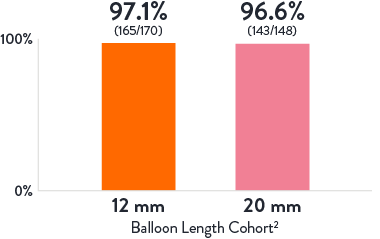
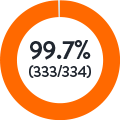
The TECTONIC CAD IVL IDE Study achieved excellent results and met its co-primary safety and effectiveness endpoints while evaluating the investigational SonicForce™ Coronary IVL System in patients with severely calcified, stenotic de novo coronary artery lesions.1
Publication is available with open access via JACC Circulation Intervention for TECTONIC CAD: Pivotal IDE Evaluation of Coronary Intravascular Lithotripsy for Severely Calcified Lesions.
30-day Target Lesion Failure (TLF) by Investigational SonicForce™ Coronary IVL System



Procedural Success by Investigational SonicForce™ Coronary IVL System



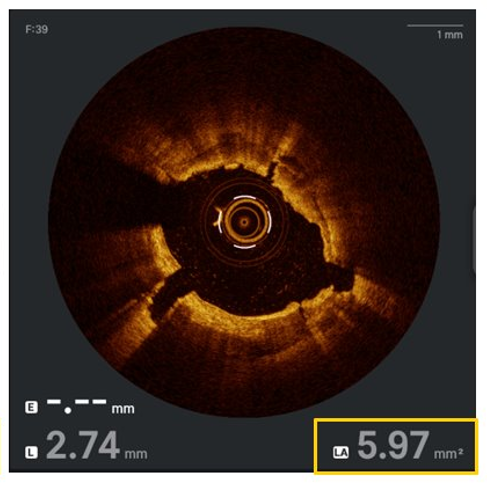
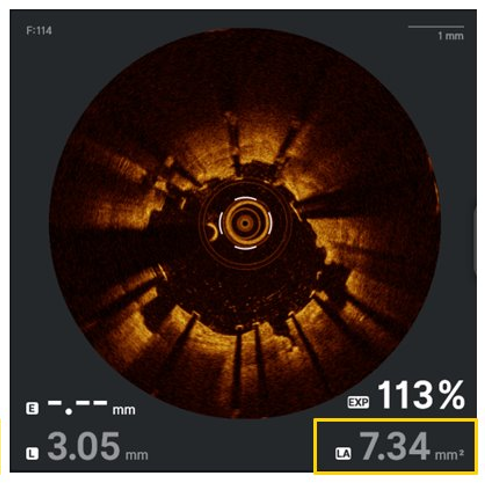
The Tectonic CAD IVL IDE Study is a prospective, single-arm, open-label, multicenter, study to evaluate the safety and effectiveness of the investigational SonicForce™ Coronary IVL System to treat severely calcified, stenotic de novo coronary arteries prior to stenting and is intended to support market approval of the SonicForce™ Coronary IVL System in the United States.
335 Subjects at 40 US Sites
Intravascular imaging strongly recommended, OCT preferred

Primary Safety and Effectiveness Endpoints
Descriptive Secondary Endpoints

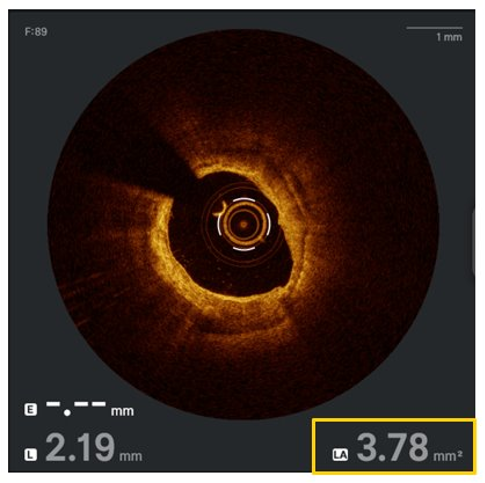
OCT Sub-Study
Minimum 100 subjects, of the total 335 subjects registered in the main study

The investigational SonicForce™ Coronary IVL System is used to prepare severely calcified coronary arteries for stenting by using acoustic pressure waves to modify calcium and improve vessel compliance.
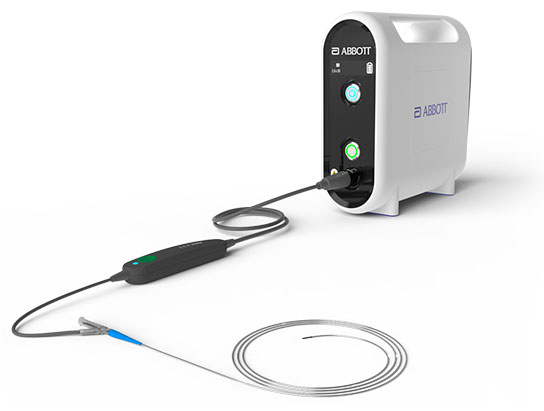
The SonicForce™ Coronary IVL System includes:
Investigational SonicForce™ Coronary IVL System design
^80 pulses per catheter tested in the IDE study
CAUTION: Investigational device. Limited by Federal (U.S.) law to investigational use only. Outside the U.S., the device is subject to local regulatory requirements and is not commercially available.
Coronary artery calcification is present in up to 25-30% of Percutaneous Coronary Intervention (PCI) cases and is increasingly encountered in an aging, high-risk patient population.3,4 Calcified lesions can compromise stent delivery and expansion,3,4 that can lead to:3,5
As a result, effective calcium modification has become a critical component of contemporary PCI to optimize stent deployment and improve patient outcomes.4,5
IVL: Intravascular Lithotripsy
IDE: Investigational Device Exemption
MACE: Major Adverse Cardiovascular Event
TVR: Target Vessel Revascularization
PPMI: Periprocedural Myocardial Infarction
OCT: Optical Coherence Tomography
You are about to enter an Abbott country- or region-specific website.
Please be aware that the website you have requested is intended for the residents of a particular country or countries, as noted on that site. As a result, the site may contain information on pharmaceuticals, medical devices and other products or uses of those products that are not approved in other countries or regions
Do you wish to continue and enter this website?
MAT-2305078 v2.0
